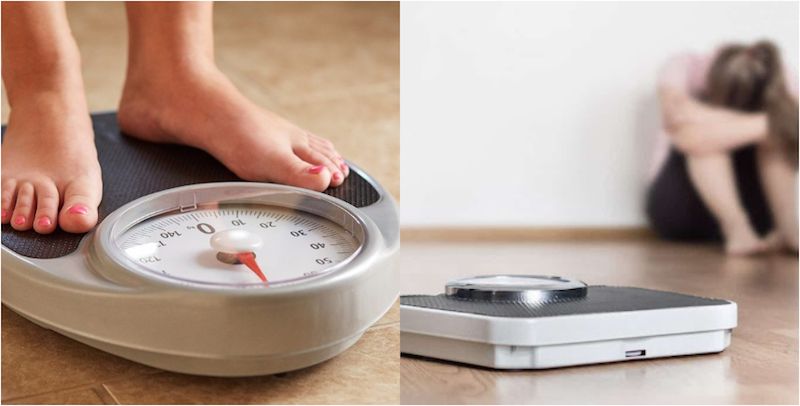
The weighing scale has the power to either become your ally or adversary on your weight loss journey. Despite surviving only on salads and sweating it out in the gym, some people may feel disheartened when confronted with high numbers on the weighing scale. Despite putting in considerable effort, some feel as though the scale refuses to budge, leading them to believe that they are fated to remain overweight. This sense of hopelessness can be so overwhelming that they give up on their weight loss goals entirely. A weighing scale is an important tool for someone who is trying to lose a significant amount of weight, to monitor progress with precision, so this article will make you aware about 5 rules when you weigh yourself to avoid disappointment.
1. Don’t Weigh Yourself Every Single Day:
It is advisable not to weigh yourself every day. Just as weight gain does not happen overnight, it is unrealistic to expect dramatic changes every time you step on the scale. Frequently standing on the scale and not seeing immediate changes can lead to frustration and even demotivation. It is important to recognize that weight loss progress can vary from day to day due to a range of factors such as water retention, bowel movements, and the time of day. Thus, it is advisable to weigh oneself on a weekly basis rather than daily, as this can provide a more accurate and less emotionally charged assessment of progress. Experts recommend limiting weighing to once a week, probably at the end of every week.
2. Do Not Check your Weight on Different Scales:
Weighing scales can differ in their accuracy and calibration, which can lead to variations in readings. As a result, it is advisable to stick to using one scale consistently to measure weight loss progress. This ensures that the measurements are taken under consistent conditions and that any fluctuations in weight are more likely to be reflective of actual changes in body weight, rather than discrepancies between scales. Using multiple scales can lead to confusion and inaccurate readings, making it difficult to track progress and achieve weight loss goals effectively. Therefore, it is essential to choose a reliable and accurate weighing scale and use it consistently for accurate and consistent results.
3. Don’t Weigh yourself on your Periods:
Hormonal changes during the menstrual cycle can cause fluctuations in weight due to water retention, bloating, and other factors. As a result, it is advisable to avoid weighing oneself during the menstrual cycle to prevent falsely elevated readings. Hormonal fluctuations during the menstrual cycle can lead to an increase in the production of estrogen and progesterone, which can cause the body to retain more water than usual. This can result in temporary weight gain that is not reflective of actual changes in body weight. Additionally, bloating and digestive issues are also common during periods, which can further contribute to weight fluctuations. Waiting until after the menstrual cycle is over to weigh oneself can provide a more accurate measure of actual weight loss progress. However, it is important to note that weight fluctuations during the menstrual cycle are normal and do not necessarily indicate a lack of progress in weight loss efforts. It is essential to focus on consistent healthy habits, such as regular exercise and a balanced diet, rather than solely relying on scale readings to gauge progress.
4. Do Not Confuse Water Weight With Real Weight:
The weighing scale can provide a general measure of overall weight loss but may not account for temporary weight gain due to factors such as water weight and water retention. Therefore, it is advisable to avoid weighing oneself after consuming high-sodium foods or refined carbs, or after a night of poor sleep as these can all contribute to temporary weight gain. High sodium and refined carbohydrate intake can cause the body to retain water, leading to an increase in overall weight that is not reflective of actual changes in body composition. Similarly, a lack of sleep or poor quality sleep can affect hormone levels and lead to temporary weight gain due to water retention. It is important to note that temporary weight fluctuations due to water weight or water retention do not necessarily indicate a lack of progress in weight loss efforts. It is essential to focus on consistent healthy habits, such as regular exercise and a balanced diet, rather than solely relying on scale readings to gauge progress. Additionally, it is advisable to weigh oneself under consistent conditions, such as at the same time of day and using the same scale, to obtain more accurate readings.
5. Don’t Ignore Other Signs of Weight Loss:
It is important to recognize that the weighing scale does not capture all indicators of weight loss progress, such as changes in body circumference or increased energy levels. Therefore, it is essential to focus on other non-scale measures that can demonstrate progress and celebrate these victories to boost confidence and motivation towards achieving a healthier version of oneself. Increased energy levels, improved sleep quality and quantity, decreased waist/hip/thigh circumference, clothes fitting fitting more comfortably, reduced cravings for unhealthy foods, improved mood, and increased confidence are some non-scale victories that you should not ignore.
Not Placing the Weighing Scale on a Level Ground: Don’t keep your scale on an uneven ground because it would not provide you correct readings. Place the scale on a hard and levelled ground to get the right numbers. To lose weight successfully, do check out the diet plans on the Rati Beauty app, and join the Speed Slim challenge which is starting on May 1, 2023.
8 Ways to Boost Confidence During Weight Loss
10 Weight Loss Tips you Should Absolutely Know
The post 5 Rules to Weighing Yourself on Weight Loss Journey appeared first on Makeupandbeauty.com.
from Makeupandbeauty.com https://ift.tt/fyT4Cnj
https://ift.tt/E6hbgpO


Comments
Post a Comment